



About
For producers who have enough “warm analog character” already.
MontroneDSP is an independent audio-software studio focused on building distinctive instruments for producers, sound designers, and musicians who want more than familiar recreations.
The studio
What began as a personal effort to turn original synthesis ideas into usable tools has grown into a wider family of instruments shaped by years of electronic-music production, experimentation, and technical research.
Our work sits between precision and unpredictability: physical modelling, digital percussion, FM synthesis, modulation systems, and unusual signal-processing techniques brought together in instruments that remain direct, playable, and musical.
We build for independent artists, adventurous producers, and professional studios alike.
MontroneDSP is intentionally small and independent. That allows us to move quickly and listen closely to users.
Our mission is simple:
Make forward-looking sound design accessible without making it ordinary.
Design
MontroneDSP is an independent Italian audio software studio shaped by a tradition in which engineering and design have rarely been treated as separate disciplines.
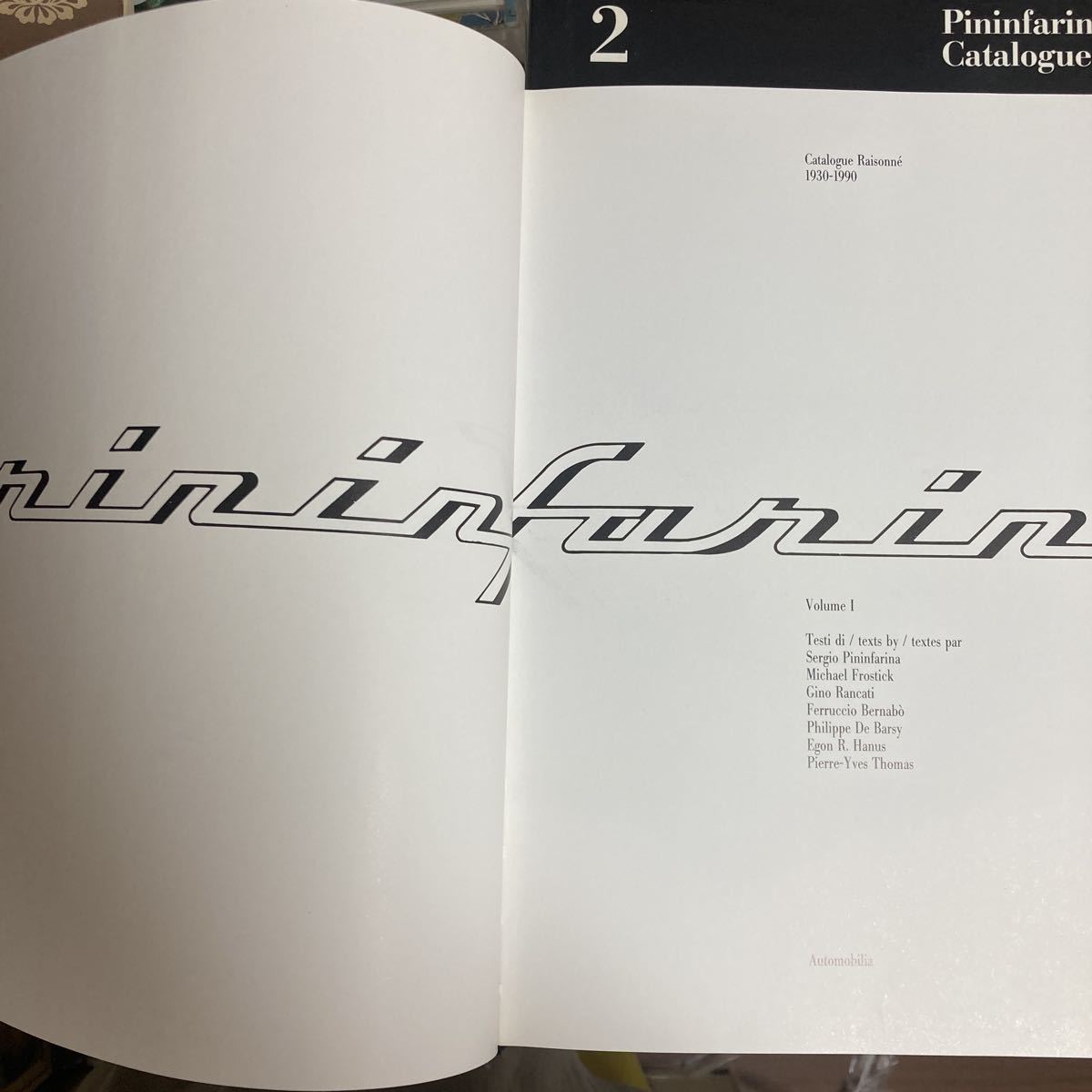
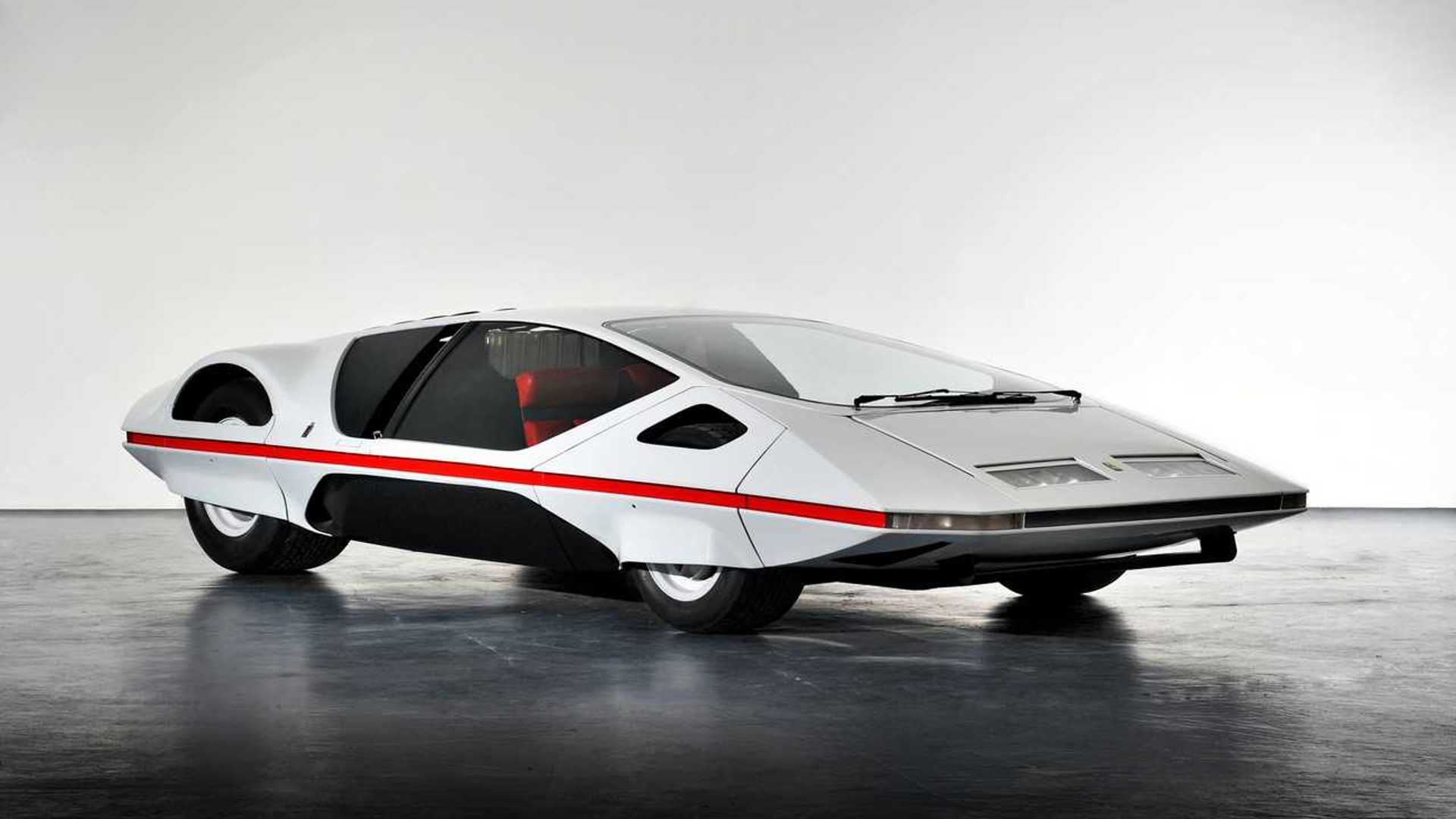
Our visual language draws from the clarity of Olivetti industrial design, the functional precision of Italian engineering, and the automotive work of studios such as Pininfarina and Bertone. These references are not used as decoration, but as a design principle: an object should communicate how it works through proportion, balance, materials, typography, and restraint. We approach a plugin interface much like an industrial designer approaches an instrument panel. Every control, meter, division, and line should have a reason to exist. Function comes first; character emerges naturally from the way those functions are organized.
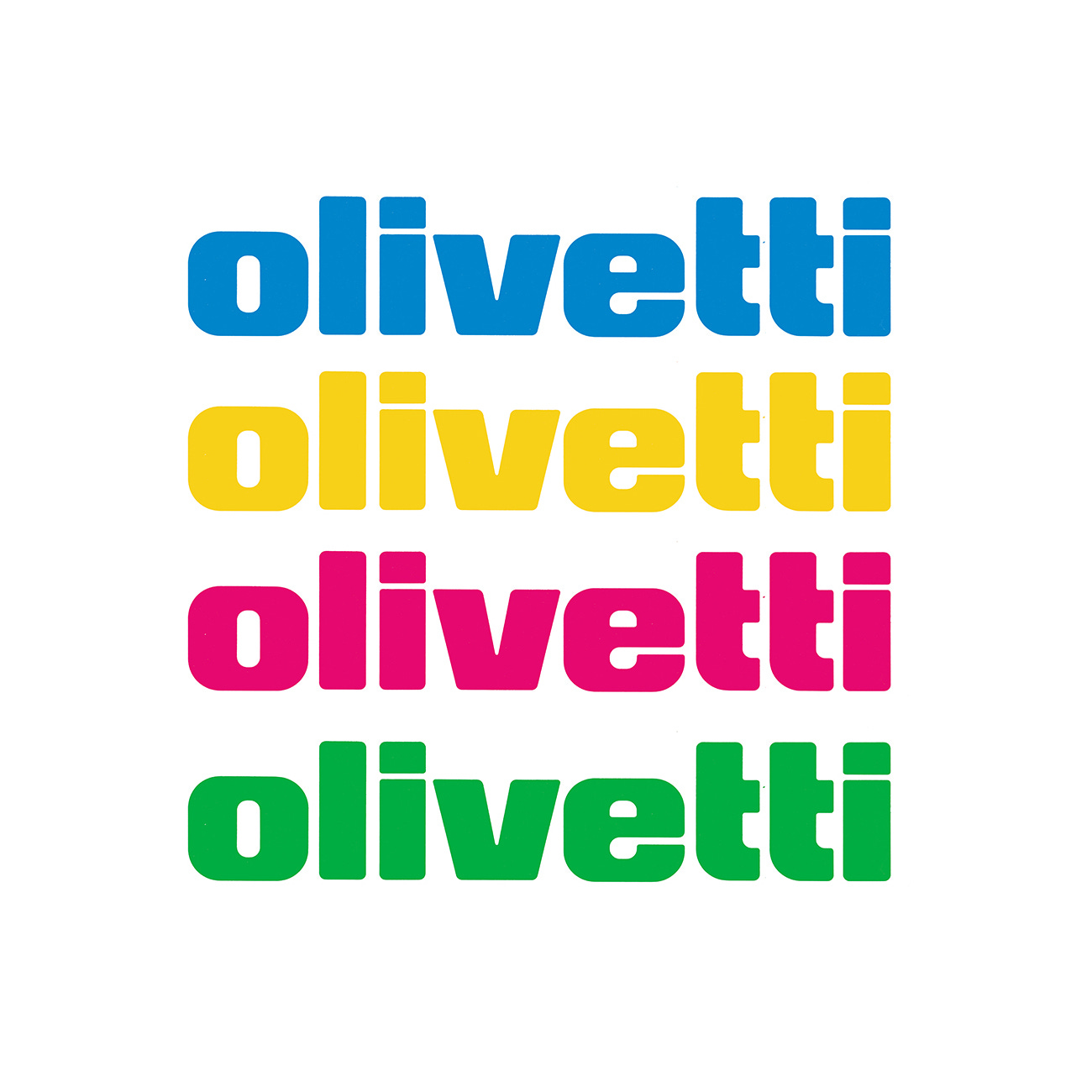

We are equally influenced by the discipline of Italian type design, particularly the work of Aldo Novarese, whose ability to combine strong identity with technical clarity remains an important reference.
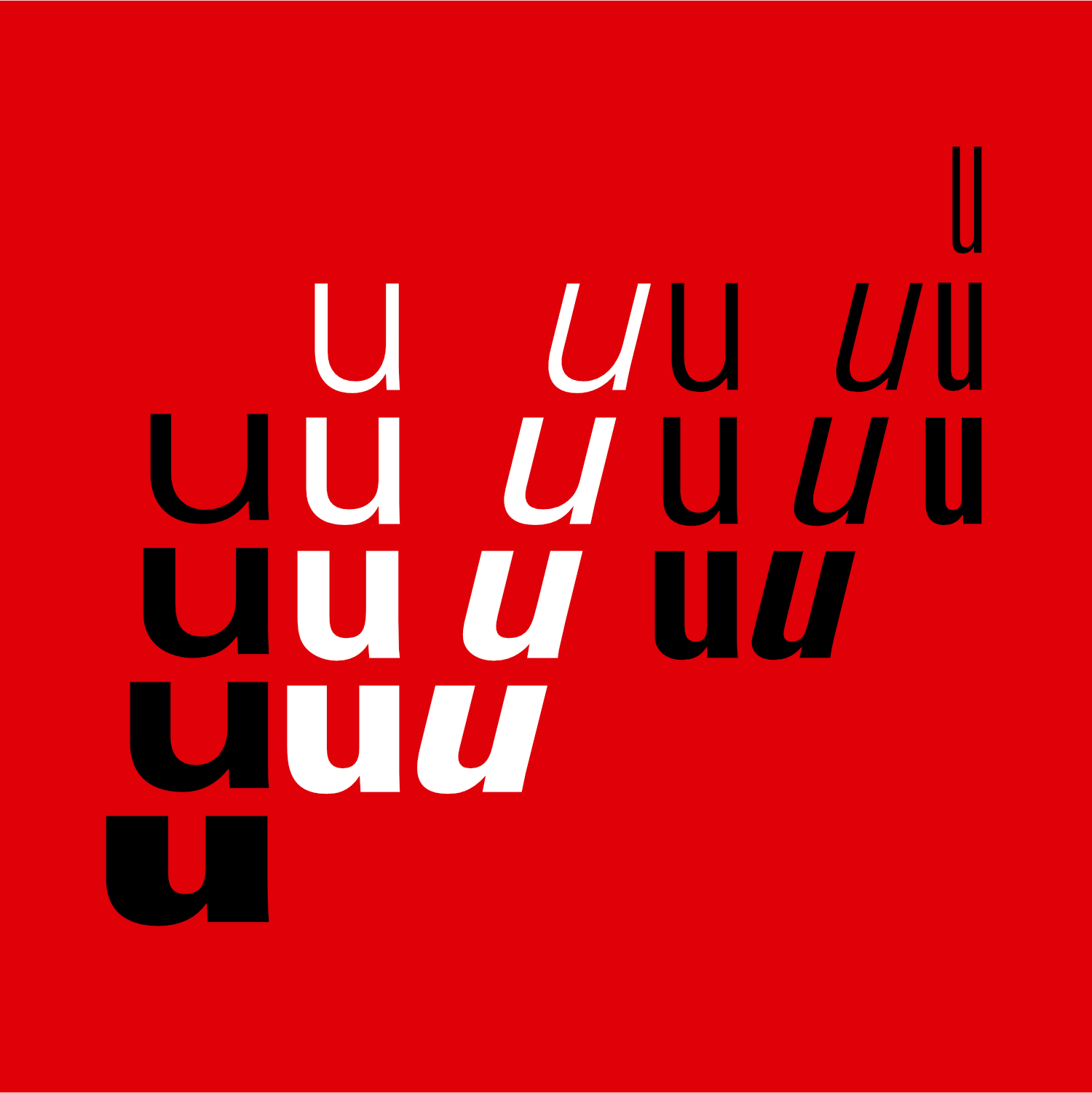
Typography is treated as part of the instrument itself. Our interfaces often borrow from the proportions and highly legible glyph construction associated with Adrian Frutiger's work: open forms, clear differentiation between characters, economical spacing, and shapes designed to remain readable at a glance. These principles are especially relevant in audio software, where labels, values, meters, and controls must communicate immediately without competing with the task of listening.
The same philosophy extends to the software underneath. DSP architecture, interaction design, visual identity, and sound are developed as parts of the same instrument rather than as separate layers.